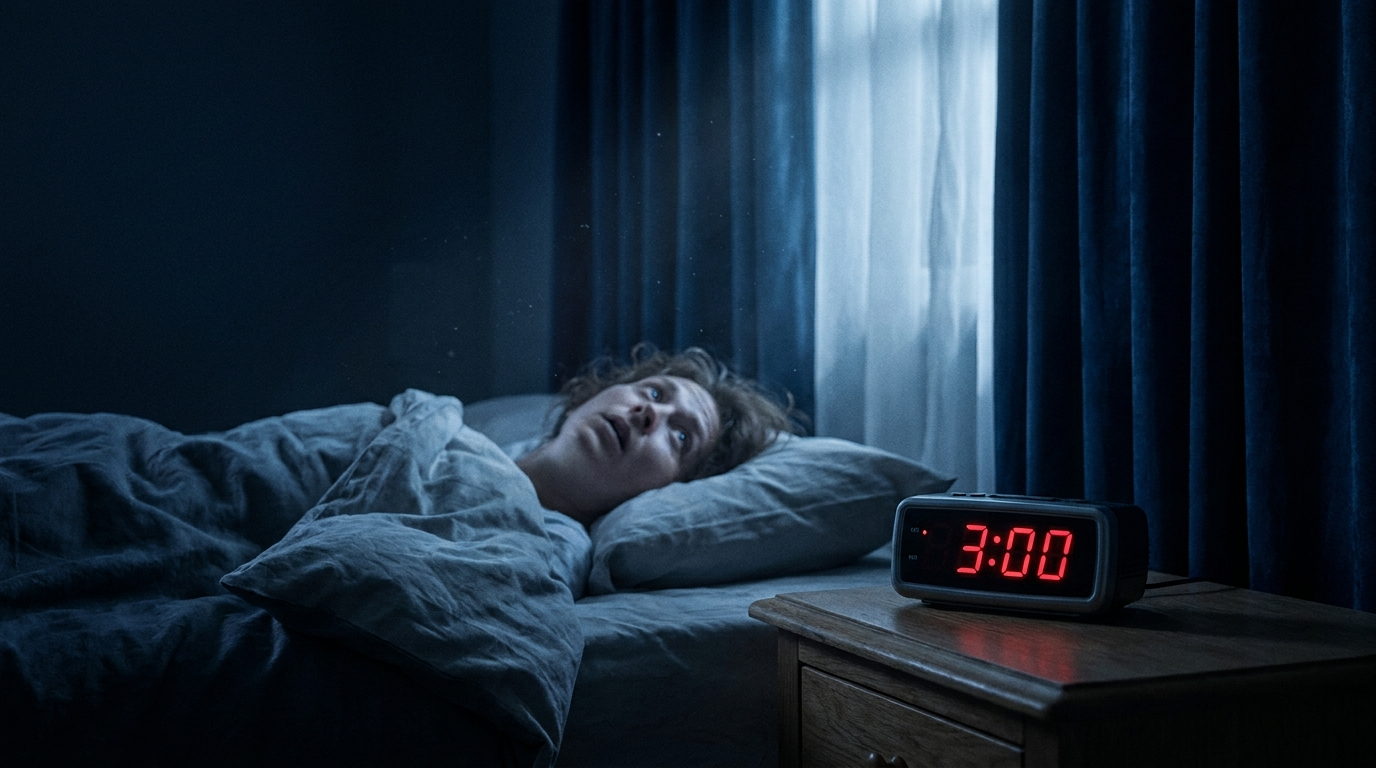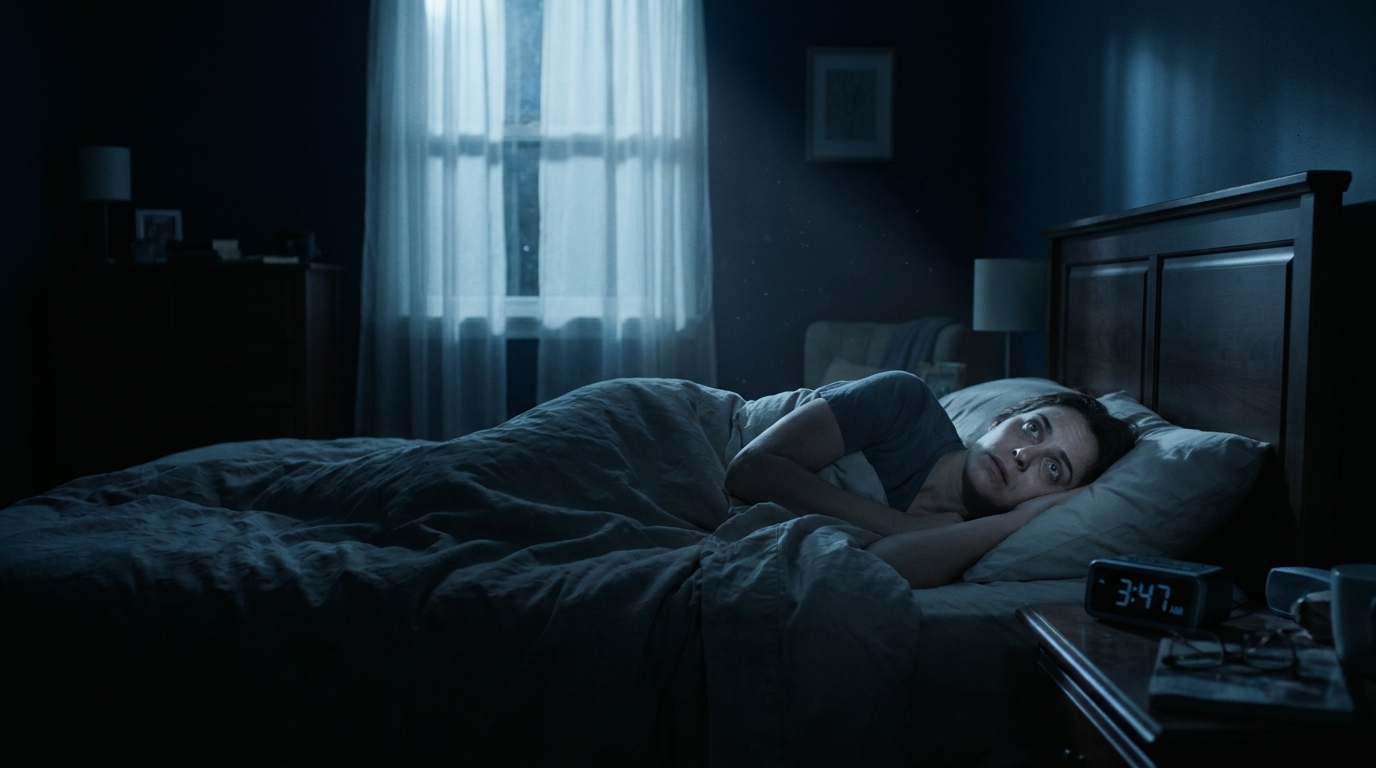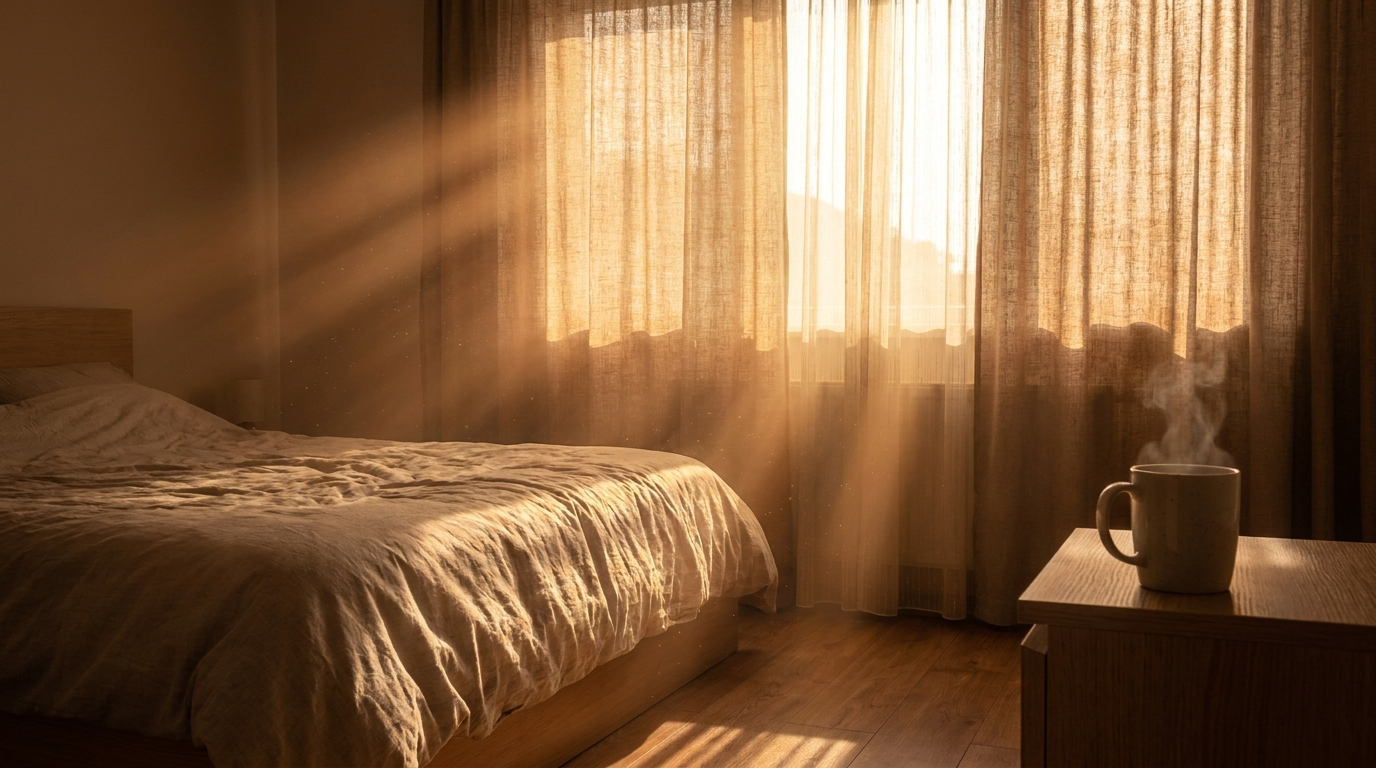
Your body doesn't track time from a clock on the wall. It tracks it from light — specifically, the wavelength and intensity of light hitting your retina.
The Suprachiasmatic Nucleus
Deep in your hypothalamus sits a cluster of about 20,000 neurons called the SCN. This is your master clock. It syncs to light via a direct neural pathway from the eye — completely separate from vision. Even people who are fully blind sometimes have intact circadian rhythms if this pathway is preserved.
Morning Light: The Most Powerful Reset
Light exposure in the first hour after waking triggers a cortisol pulse that sets the timer for when you'll feel sleepy that night. Bright light (ideally sunlight) signals "morning" to the SCN. Without it — if you wake and stay in dim indoor light — your clock drifts later each day.
Evening Light: The Problem
Melatonin production begins about 2 hours before your natural sleep time. But it only starts if your brain has registered "it's getting dark." Overhead LED lights, phone screens, and TVs emit blue-wavelength light that suppresses melatonin by up to 3 hours. That's why scrolling before bed isn't just about stimulation — it's chemically delaying your sleep onset.
Temperature and Your Rhythm
Light gets most of the attention, but temperature is almost as powerful. Your core body temperature naturally drops 1–2°C as you approach sleep. A cool bedroom (17–19°C / 63–67°F) accelerates this. Hot showers 90 minutes before bed work by paradox: they raise surface temperature, the body over-corrects by cooling core temperature faster, accelerating sleep onset.
Fixing a Broken Clock
If your rhythm is off — you can't fall asleep until 2am, you wake groggy at 7 — the fix is consistent light anchoring. Same wake time every day. Sunlight or bright light within 30 minutes of waking. Dim all lights 2 hours before bed. Three to five days of this resets most disrupted rhythms.