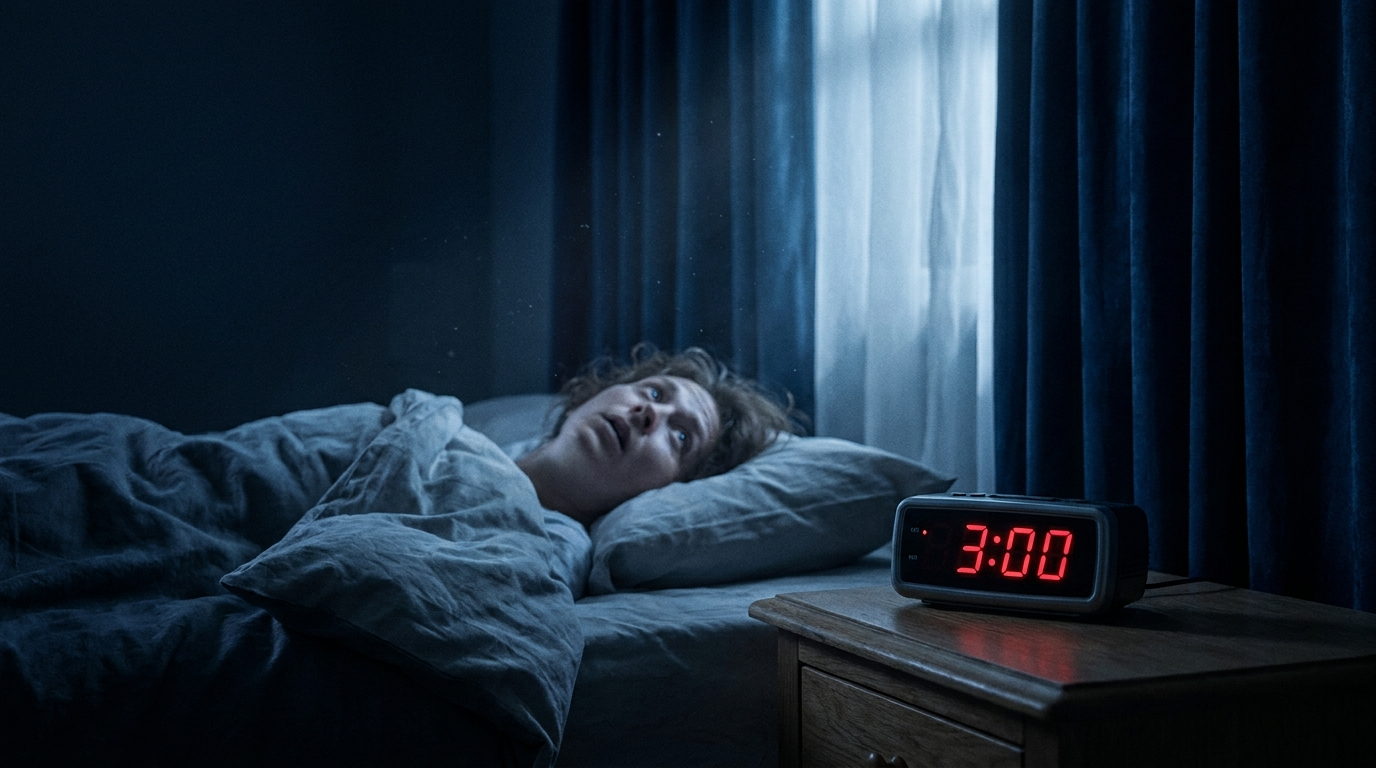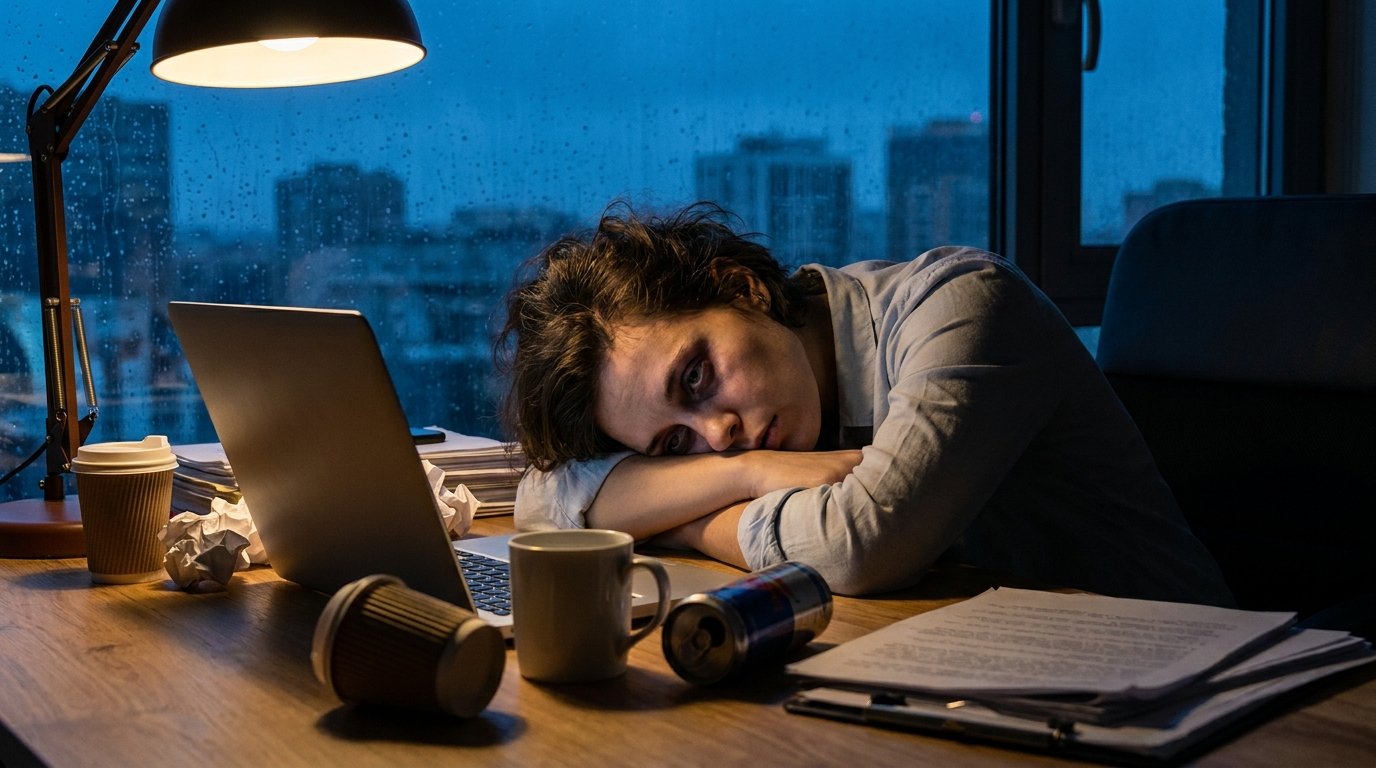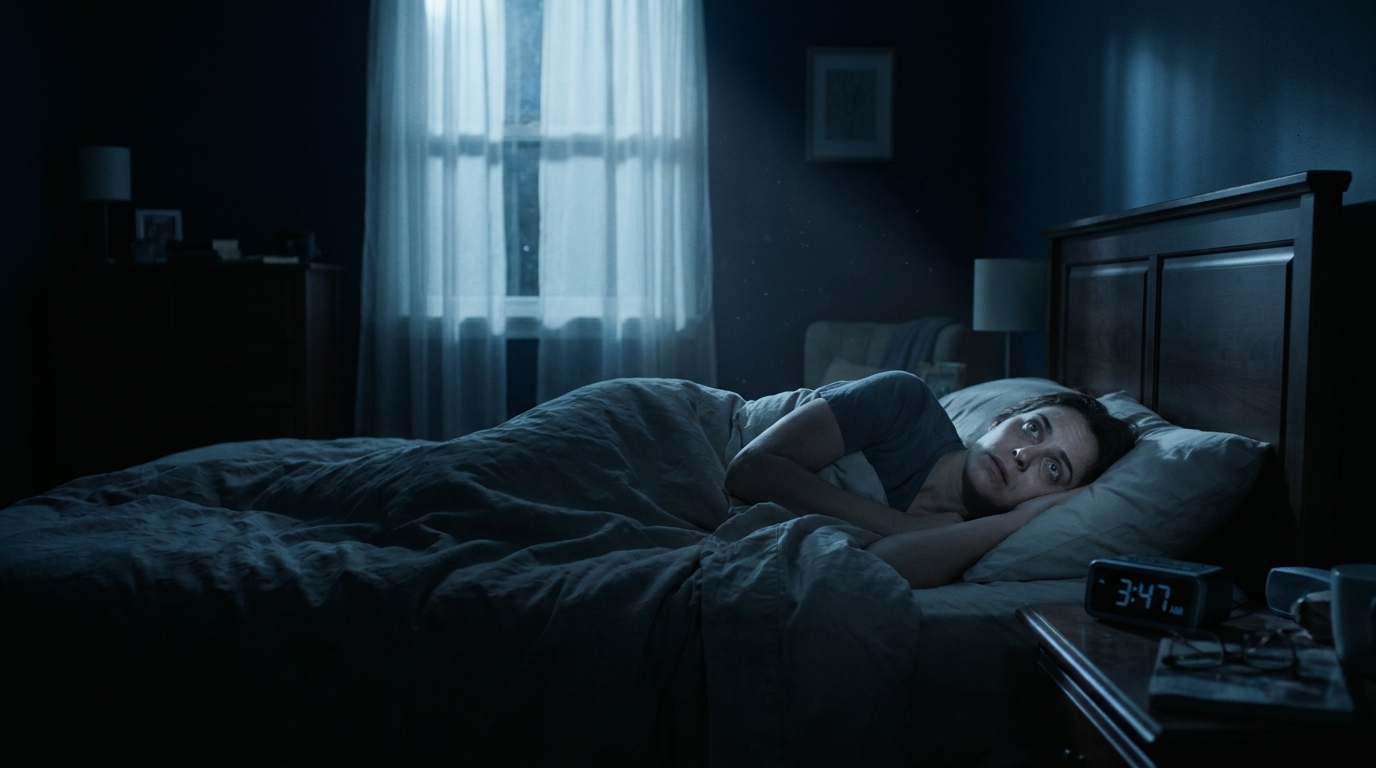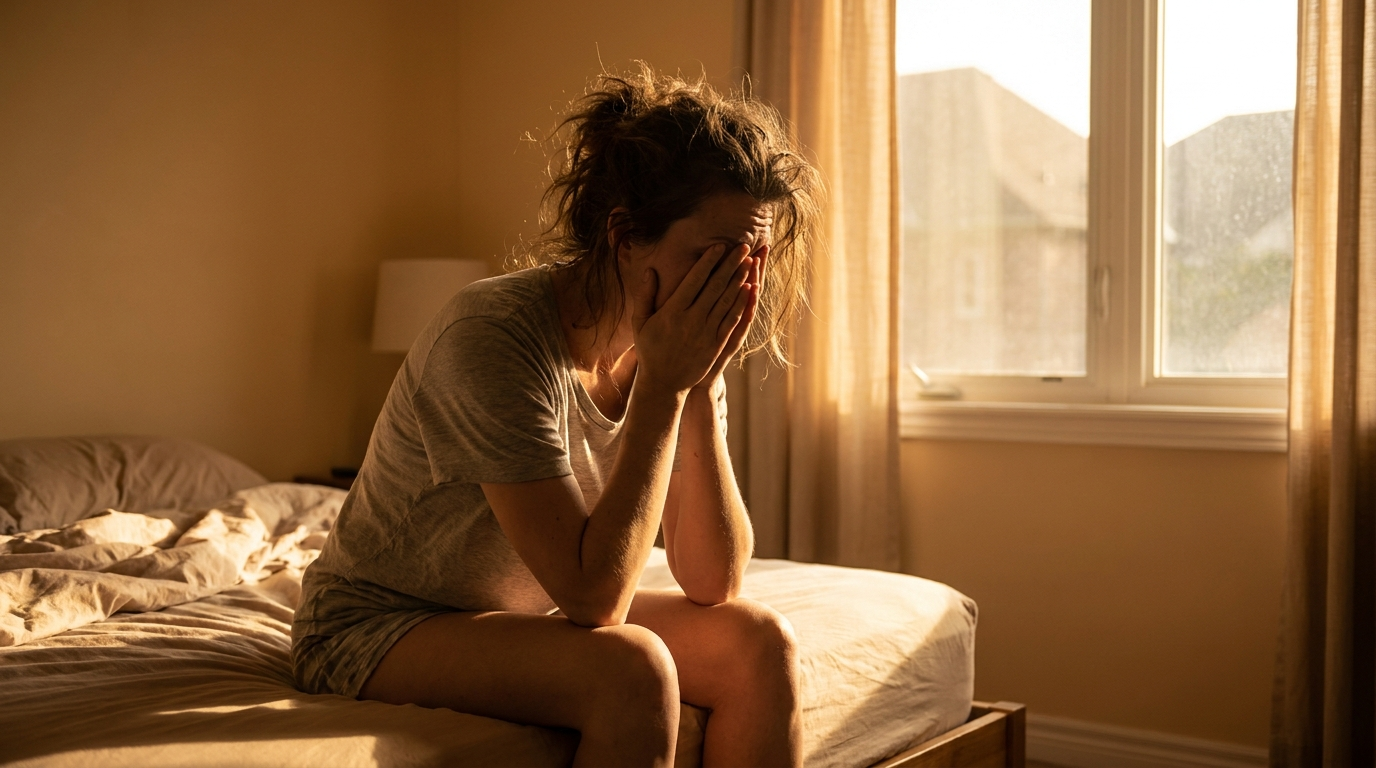
Eight hours in bed. Alarm goes off. You feel worse than if you'd stayed up. If this sounds familiar, you're not broken — but your sleep architecture probably is.
Sleep Is Not a Single State
You cycle through four stages of sleep every 90 minutes or so: light sleep (N1, N2), deep sleep (N3, also called slow-wave sleep), and REM. Each stage does different things. REM consolidates memory and processes emotion. Deep sleep (N3) is where physical restoration happens — growth hormone releases, immune function repairs, the brain clears metabolic waste via the glymphatic system. The key insight: 8 hours of shallow sleep does far less than 6 hours with full deep sleep cycles.
What Destroys Deep Sleep
Alcohol is the most common culprit. It sedates you but suppresses REM and deep sleep — you feel like you slept, but you didn't get the restorative stages. Cannabis has a similar profile for heavy users. THC suppresses REM. Sleeping pills (especially benzodiazepines) have the same problem. Temperature is another: a bedroom above 20°C (68°F) significantly reduces slow-wave sleep. And fragmented sleep — waking multiple times — interrupts the cycles before they complete.
Sleep Apnea: The Silent Wrecker
If you snore, sleep with your mouth open, or wake with headaches or a dry mouth, sleep apnea is a likely cause. In apnea, breathing pauses dozens to hundreds of times per night. Each pause triggers a micro-arousal — too brief to remember, but enough to shatter deep sleep cycles. You can sleep 9 hours and have the sleep quality of someone who slept 4. This is the most underdiagnosed sleep condition and requires a sleep study to confirm.
The Circadian Mismatch Problem
If you're sleeping at the wrong time for your chronotype, you'll get quantity without quality. Night owls forced to sleep from 10pm–6am are sleeping against their biology. Their deep sleep doesn't happen on that schedule. Shift workers are the extreme version — chronically exhausted not from hours but from misalignment. If your natural sleep window is 12am–8am but you're forcing 10pm–6am, you're fighting your circadian clock every night.
How to Fix It
First: cut alcohol within 3 hours of bed. Lower your bedroom temperature to 17–19°C (63–67°F). Address any sleep fragmentation (3am wake-ups point to cortisol — see our article on why you wake at 3am). Get assessed for sleep apnea if any of the symptoms match. If your chronotype doesn't match your schedule, gradually shift your bedtime earlier by 15 minutes per week. And get morning sunlight — it anchors your circadian rhythm so deep sleep happens in the right part of your night.
The Bottom Line
Exhaustion after 8 hours is almost never about the hours. It's about what happens during them. Deep sleep is not guaranteed by time in bed — it requires the right conditions: temperature, timing, no alcohol, no fragmentation, and alignment with your chronotype. Fix those, and 7 hours will feel better than 9 currently does.